Bedding · Fabric guide
Percale or Sateen? Choosing a Duvet Cover for Your Sleep Style
A duvet cover is the fabric you meet night after night: against your hands as you make the bed, against your skin as you turn in sleep, and in the quiet rustle of a room settling for the evening. Percale feels crisp and airy; sateen is smoother, with a gentle drape. The right choice depends less on a thread-count contest than on how you like your bed to feel—and how you want to care for it.
Two weaves, two different impressions
When comparing cotton duvet covers, it helps to begin with the weave. Percale and sateen can both be made from cotton, but their threads cross in different patterns. That difference changes the fabric’s surface, fall and first impression against the skin. It does not, by itself, tell you which cover is more durable or universally more comfortable. The feel is personal, and the rest of the construction matters too.
Percale uses a simple one-over, one-under weave. Its balanced structure produces a matte surface and the familiar feel of a freshly laundered shirt: light, crisp and composed. Sateen uses a weave that brings more threads across the surface, creating a smoother hand and a subtle sheen. It tends to fall more softly over the duvet, giving the bed a fluid, gently polished appearance.
Imagine the choice as one between a cool breeze moving through an open window and the soft sweep of a curtain. Neither sensation is inherently better. A sleeper who loves a clean, crisp finish may gravitate towards percale, while someone who wants a supple, smooth surface may find sateen more inviting.
These are tendencies, not guarantees. Fibre quality, yarn, finishing, fabric weight and laundering all influence how a particular cover feels. Even the duvet insert beneath it makes a difference: a warm, lofty insert can feel very different under the same cover than a light summer one.
What percale feels like in everyday use
Percale is often chosen for its crisp hand and breathable, lightweight character. Its matte finish gives a bed a simple, orderly look, while its structure can feel pleasantly cool when you first climb in. For people who sleep warm or prefer a less slippery surface, that combination can be appealing. A percale duvet cover is also an easy partner to other cotton bedding: it looks at home in a pared-back room, a traditional bedroom or a relaxed guest space.
New percale can feel crisp rather than immediately buttery. Repeated washing generally softens cotton, but the fabric’s character remains more structured than sateen’s. If you enjoy the sensation of freshly changed sheets, that crispness may be part of the pleasure. If you expect a silky, fluid finish from the first night, percale may not match that preference.
Airflow is another reason people seek out percale. The open, balanced weave is commonly associated with a light feel, although how warm you sleep depends on more than the cover. Room temperature, sleepwear, the duvet’s insulation and personal comfort all play a role. A breathable cover cannot compensate for an overly warm duvet in every circumstance, but it can be one part of a bedding arrangement that feels less heavy.
Naturepedic’s Organic Cotton Percale Duvet Cover and Pillow Sham Set is made from GOTS-certified organic cotton percale with a 300 thread count. The brand describes it as lightweight and breathable, with a crisp, matte finish. Corner ties are included to help hold the duvet insert in place. You can read more about the Naturepedic Organic Cotton Percale Duvet Cover and Pillow Sham Set, including its stated care instructions and measurements.
Sleep and Beyond also offers an organic cotton percale duvet cover set. Its listed fabric is 300-thread-count organic cotton percale, pre-shrunk and described as crisp, airy and cool to the touch. The set is available in several listed dimensions, with white and ivory colour options. Details can be found on the Sleep and Beyond Organic Cotton Percale Duvet Cover Set page.
What sateen brings to the bed
Sateen is valued for a smooth, soft surface and a more fluid drape. Its subtle lustre catches light differently from percale’s matte finish, so the bed can appear a little more polished without relying on a bold pattern or decorative trim. People who enjoy a soft, close-to-skin feel often appreciate sateen’s gentler glide.
That smoothness can be especially welcome if you find crisp fabrics too structured or prefer bedding that feels relaxed from the start. Sateen is not necessarily heavy, but its surface and drape may give it a cosier impression than a crisp percale cover. For some sleepers, that is an advantage on cool nights; others may prefer percale’s airier sensation, particularly if they tend to overheat.
It is worth separating the word “sateen” from assumptions about luxury or warmth. The weave describes the fabric’s construction, not a promise that every sateen cover will feel identical. Fibre, finishing and fabric weight vary. A cotton sateen duvet cover can be smooth and comfortable while still being suitable for regular use, provided its care instructions fit your household routine.
For a sense of the difference between cotton weaves, the site’s Sleep and Beyond organic cotton percale sheet set is another example of percale in bedding, while the Natural Child’s Crib Mattress Topper uses organic cotton sateen as its cover fabric. These are not duvet covers, but they illustrate how the same weave terms appear across different kinds of cotton bedding. A mattress topper’s construction and purpose are distinct from those of a duvet cover, so use these examples to understand fabric language rather than as substitutes for a cover.
When shopping specifically for a sateen duvet cover, check the product description for the fibre content and weave. A general statement such as “soft cotton” does not confirm that the fabric is sateen. If the weave is not clearly stated, look for the manufacturer’s detailed specification or ask the retailer before buying.
Start with the way you sleep
Your sleep style is a useful guide, though it is not a rigid rule. Think about the sensation you notice most: do you seek a cool, fresh surface, or do you want a smoother fabric that settles softly around the duvet? Do you like the slight structure of a crisp cover, or would you rather have a more fluid drape? Those everyday preferences often matter more than fine distinctions on a product label.
- If you sleep warm: consider percale for its light, crisp feel. Also look at the duvet insert’s warmth rating and the temperature of your room; the cover is only one layer of the sleep environment.
- If you prefer a smooth hand: sateen may suit you better, with its soft surface and gentle sheen.
- If you like a tailored, matte bed: percale’s structured appearance can help create a neat, understated finish.
- If you want a softer, more flowing look: sateen’s drape may be closer to what you have in mind.
- If you are unsure: consider which sheets you already enjoy. A percale duvet cover paired with percale sheets creates a consistent crisp feel; mixing weaves can create a more varied bed.
Changing seasons may also affect what feels comfortable. In a cool British winter, a soft-feeling cover paired with an appropriately warm duvet may be welcome. During a warmer spell, a lighter-feeling combination could feel more comfortable. There is no need to replace all your bedding each season: switching the insert or adjusting layers may be enough to change how the bed feels.
For couples with different preferences, a compromise can be simple. Choose a cover whose feel neither sleeper dislikes, then adjust individual layers—such as blankets or sleepwear—to suit personal comfort. A fabric decision need not become a referendum on whose temperature preference is right.
Compare the details before you buy
A good comparison goes beyond “crisp or smooth.” Duvet covers are practical textiles, and small details affect how well they work in daily life. Before choosing between Naturepedic and Sleep and Beyond—or between any two cotton bedding options—check the specification against your duvet and your laundry routine.
1. Confirm the size and fit
Match the cover’s dimensions to your duvet insert rather than relying on the bed name alone. Bedding sizes and naming conventions vary across markets. The product descriptions provided for these covers list measurements in inches and include sizes such as Twin, Full/Queen, King and, for the Sleep and Beyond set, Super King. A UK bed is commonly described using UK mattress dimensions, while a duvet and cover may have their own measurements. Measure your existing insert and compare its length and width with the cover listing before ordering.
A cover that is too small may compress the insert; one that is significantly larger may allow it to shift or bunch. Even when two products use the same size label, their actual measurements may differ. If you have an unusually deep or oversized duvet, confirm the fit with the seller instead of assuming a standard label will be enough.
2. Look at the closure and internal ties
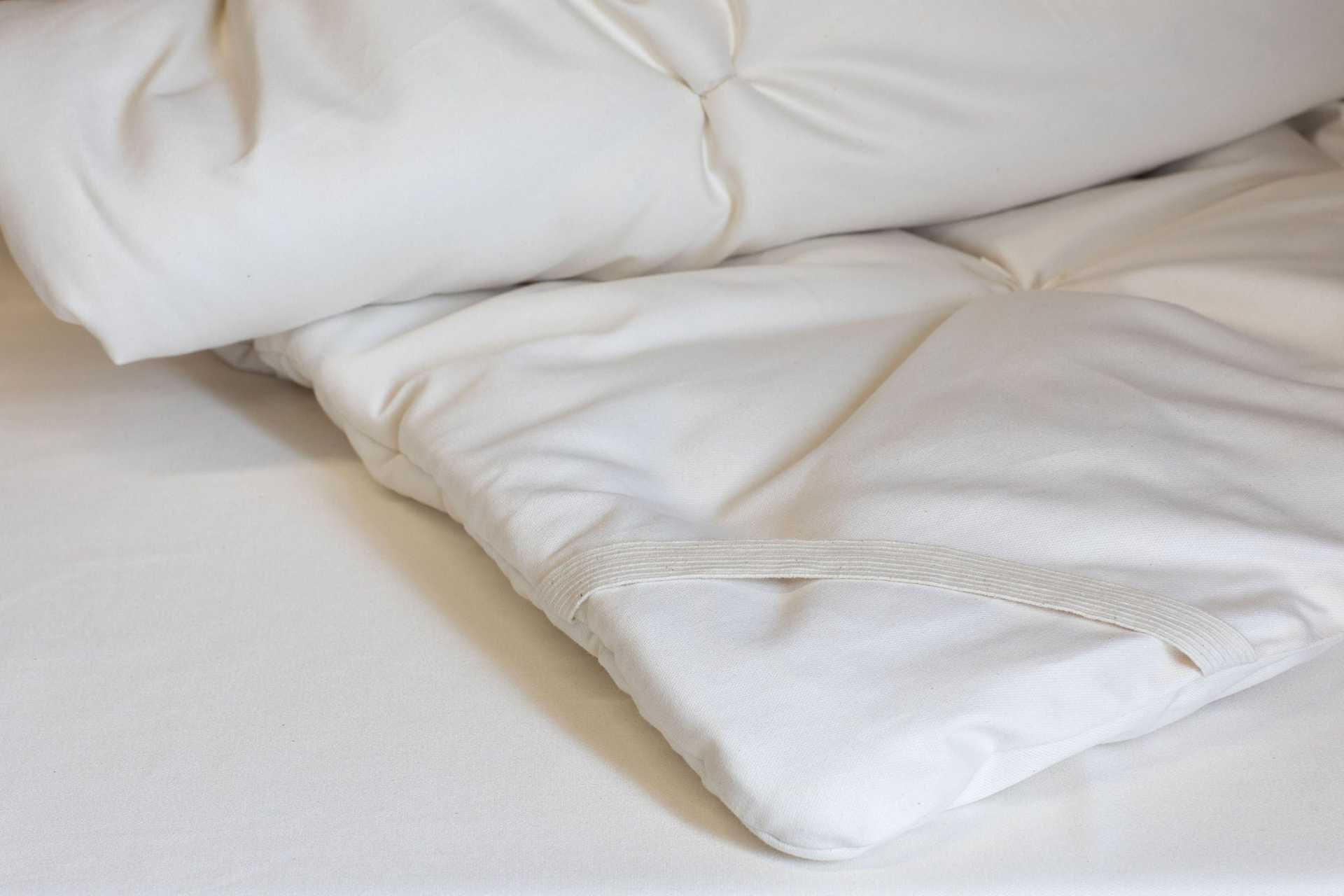
Corner ties can help secure an insert and reduce movement inside the cover. Naturepedic’s listed design includes corner ties. Check the product details for the type of closure as well—such as buttons, a zip or another fastening—because this affects how quickly the cover can be removed and replaced. Do not assume every cover in a collection uses the same construction.
3. Read the fibre and certification information
“Cotton” identifies a fibre; it does not tell you everything about how it was produced or finished. Naturepedic’s listed duvet cover set is made with GOTS-certified organic cotton, and Sleep and Beyond’s set is described as organic cotton. Review the current product page for the precise certification language and any supporting details. Certifications apply under defined standards; they should not be treated as a guarantee of a particular feel, care experience or health outcome.
4. Check care instructions and household realities
Both featured percale covers have machine-wash care information in their descriptions. Naturepedic specifies a warm machine wash, low tumble dry and warm iron, with no bleach. Sleep and Beyond lists a warm gentle cycle, low tumble drying and warm ironing as needed, and advises non-chlorine bleach if needed. Always follow the current label supplied with the product, since instructions can vary by item and may be updated.
Consider the practicalities: the size of your washing machine, how often you change bedding, whether you prefer line drying, and whether ironing is part of your routine. A fabric that feels wonderful but is awkward to wash in your home may not be the most satisfying everyday choice. Regular laundering can also affect cotton’s feel over time, so use the stated care guidance rather than guesswork.
5. Treat thread count as one clue, not the verdict
Thread count is frequently used to compare sheets and duvet covers, but a higher figure does not automatically mean a better fabric. The weave, fibre quality, yarn and finishing contribute to the final feel. The Naturepedic and Sleep and Beyond percale covers are both listed at 300 thread count, yet product construction and finish can still differ. Use the number as one piece of information alongside weave, dimensions, ties, colour and care.
Choosing between Naturepedic and Sleep and Beyond
Both options in this comparison centre on organic cotton percale, so the main distinction is not percale versus sateen. Instead, compare their individual specifications and decide which set fits your duvet, room and habits.
Naturepedic’s cover and sham set is described as GOTS-certified organic cotton percale with a crisp, breathable, matte finish. The stated 300 thread count and corner ties are useful points to check against your priorities. Its colour palette includes Arctic Snow, Cream, Mineral Blue and Midnight Blue. Measurements are provided for Twin/Twin XL, Full/Queen and King/California King duvet covers, alongside sham sizes. The product page also gives care details and notes that matching sheets and duvet inserts are available.
Sleep and Beyond’s cover set is also listed as 300-thread-count organic cotton percale, with a cool, airy feel and a pre-shrunk construction. Its listed colours are Crisp White and Classic Ivory. The dimensions provided include Twin, Full/Queen, King and Super King options, with corresponding sham measurements. The care description calls for a warm gentle wash and low tumble drying.
These details can help narrow a choice, but they do not establish which fabric will feel better to you. If possible, compare swatches or handle the fabric in person. If that is not practical, use product descriptions carefully, read the return policy and keep the difference between marketing language and measurable specifications in mind. “Crisp,” “cool” and “soft” describe intended impressions, not identical experiences for every sleeper.
Care that helps cotton bedding last
A duvet cover acts as a washable layer between the sleeper and the insert. Laundering it at a sensible interval is part of ordinary bedding care, but the right frequency depends on use, household needs and personal preference. Follow the care label, use the recommended water temperature and avoid treating every cotton fabric as if it responds identically.
Before washing, close fastenings and turn the cover inside out if you want to reduce surface friction. Do not overload the drum: large covers need room to move so that they can rinse properly. Use detergent according to the label and the machine guidance. If the care instructions advise against bleach, avoid it; if they specify non-chlorine bleach only when needed, follow that limit. High heat can be harder on textiles than a gentler drying setting, so use the product’s stated temperature rather than assuming hotter is better.
After drying, shake the cover out before placing it on the duvet. Fasten the corners or ties, then work the insert into place from the far end. A cover that is correctly sized and secured is less likely to gather into a lumpy bundle during the night. Store spare bedding clean and fully dry, away from damp areas, so it is ready when the next change of sheets comes around.
Percale’s crispness and sateen’s smoothness may evolve with washing. That is part of living with cotton: a newly opened fabric and a well-used one can feel different. Rather than chasing a fixed idea of “hotel fresh,” consider whether the bedding remains comfortable, intact and straightforward to care for over time.
A simple decision guide
When the choice still feels close, bring it back to the moment you get into bed. If you want a dry, crisp touch and a light, matte look, start with percale. If you want a smoother surface with a softer drape, investigate sateen. Then make sure the cover is genuinely described as the weave you want, the dimensions suit your insert, and the care instructions work for your household.
For a percale option, compare the listed features of the Naturepedic Organic Cotton Percale Duvet Cover and Pillow Sham Set and the Sleep and Beyond Organic Cotton Percale Duvet Cover Set. Both offer organic cotton percale, while their stated colours, size details and construction information provide practical points for comparison. If sateen is your preference, check that any duvet cover you consider clearly specifies cotton sateen rather than relying on a general promise of softness.
Ultimately, a bedroom is not a showroom. It is a small landscape shaped by changing temperatures, open windows, laundry days and the ordinary rhythm of sleep. The best duvet cover is the one that fits the duvet, suits the person beneath it and remains easy to live with. Percale gives the bed a crisp, airy vocabulary; sateen speaks more softly, in smoothness and drape. Start with the feel you seek, then let the measurements and care label settle the details.