Mattress toppers are designed to enhance comfort and extend the life of existing mattresses by providing an extra layer of cushioning and support. They can address common issues such as firmness imbalance, heat retention, and motion transfer, while offering a targeted solution for various sleeping styles. In this category, materials and thicknesses influence how evenly pressure is distributed across the body.
Understanding the key features of a mattress topper helps in selecting the right option. Look for fillings like memory foam for contouring support, latex for responsiveness, or natural fibers for breathability. Toppers also vary in thickness, density, and layering, which affects durability, heat management, and overall feel during sleep.
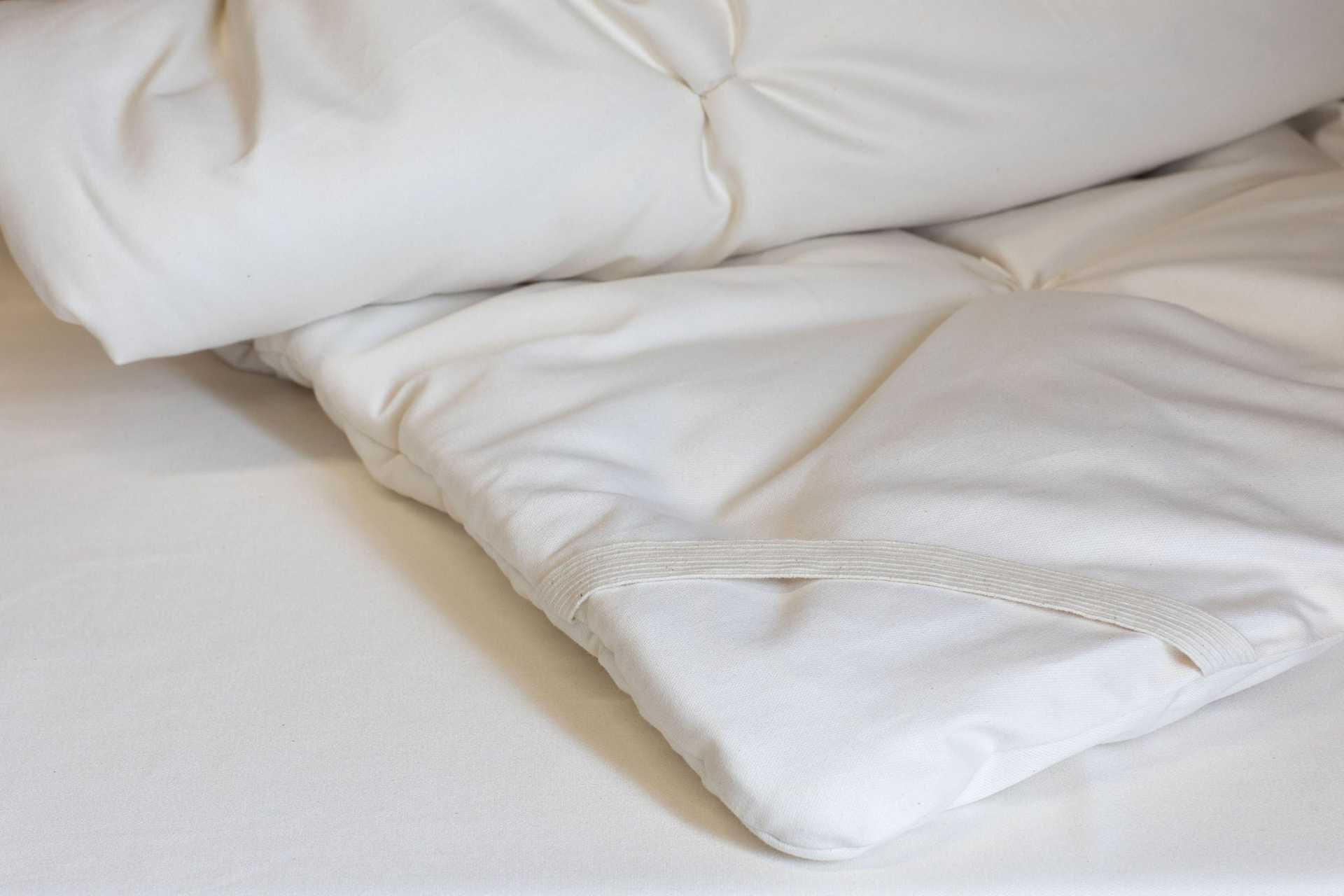
The Natural Child's Crib Mattress Topper demonstrates how toppers can be tailored for specialized needs. It emphasizes safety with child-friendly materials, gentle pressure distribution, and a lightweight design suitable for crib mattresses. Such toppers aim to provide a comfortable surface while maintaining appropriate conformity for a child's sleep environment.
In educational terms, toppers influence sleep quality by moderating temperature and reducing pressure on key joints. Hypoallergenic options and cover materials influence hygiene and allergen exposure, while removable covers aid in cleaning. For households using bedding systems, toppers complement pillows, sheets, and duvet covers to create a balanced sleep surface.
Keywords such as bedding, pillows, sheets, duvet covers, and organic mattresses reflect the broader bedding ecosystem connected to toppers. By considering compatibility with existing sleep products and understanding material properties, users can assess suitability for pediatric, adult, or multi-use environments and choose a topper that aligns with safety and comfort goals.
 Bedding